The Bitter Truth Behind the Illusion of a Budget Surplus
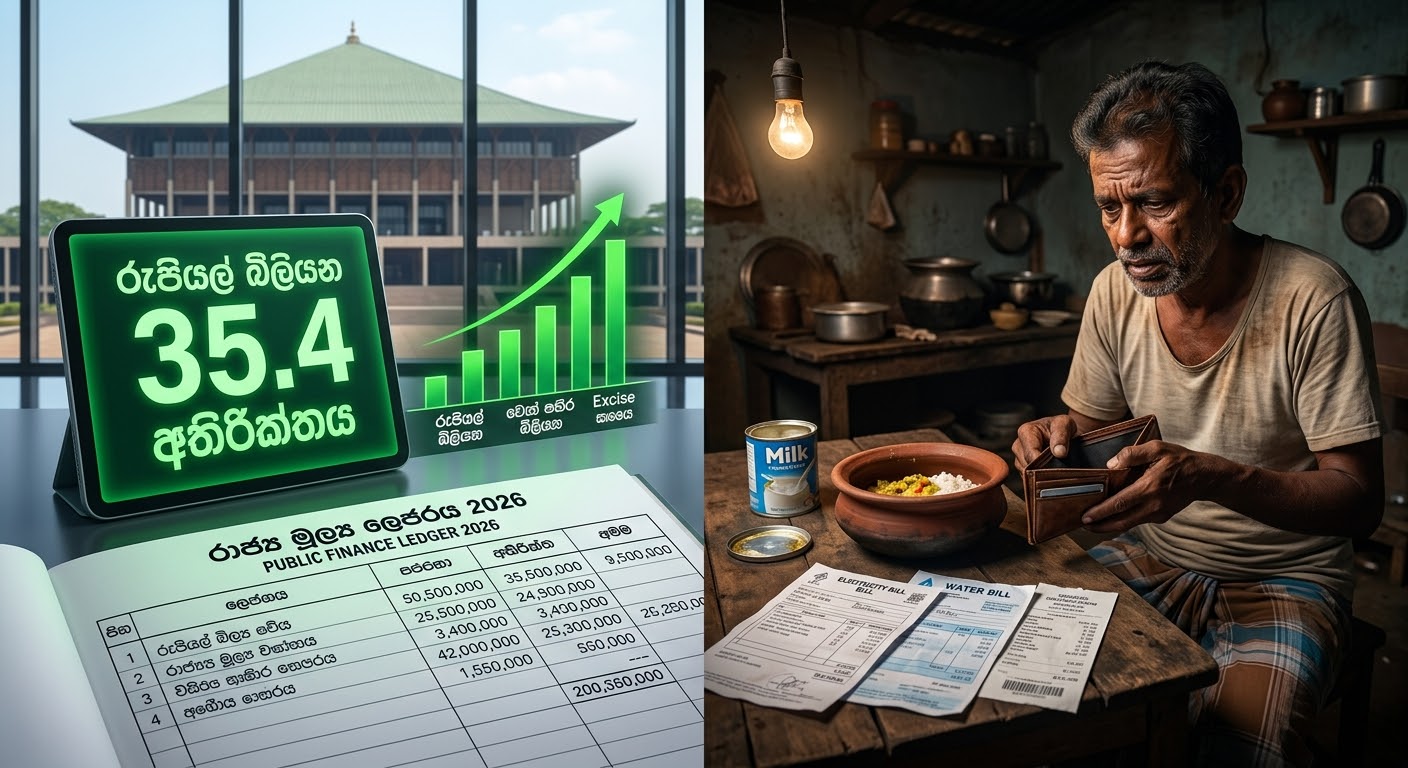
During the first 8 months of 2026 (from January to August), the Sri Lankan government’s cumulative budget surplus was recorded as Rs. 35.4 billion.
There are several important points to note regarding this.
The primary reason for this revenue growth, or this surplus, is a significant increase in state revenues, particularly from customs duties, motor vehicles, and excise duties.
Although a deficit was present in the budget during June and July, the high revenue recorded in August turned the overall balance back into a surplus.
Furthermore, financial data records confirm that the primary budget surplus—calculated after excluding interest payments on debt—stands at close to Rs. 1.6 trillion.
From the perspectives of the public finance sector and macroeconomics, this is a positive indicator of post-crisis economic stabilization.
However, behind these "surplus statistics," has the actual reality delivered a direct benefit to the daily living standards of ordinary people?
A budget surplus on its own cannot be directly considered an improvement in the people's standard of living.
How a budget surplus affects the daily lives of the public depends on how that surplus was created and how the government uses it.
Although surpluses are visible in government accounts, the primary factors behind why the people's living standards have not improved—along with a sharp economic critique—are explained by the following points:
1. A "Tax Surplus" Created by Exploiting the People
This budget surplus was not created through an increase in national production or growth in people's incomes.
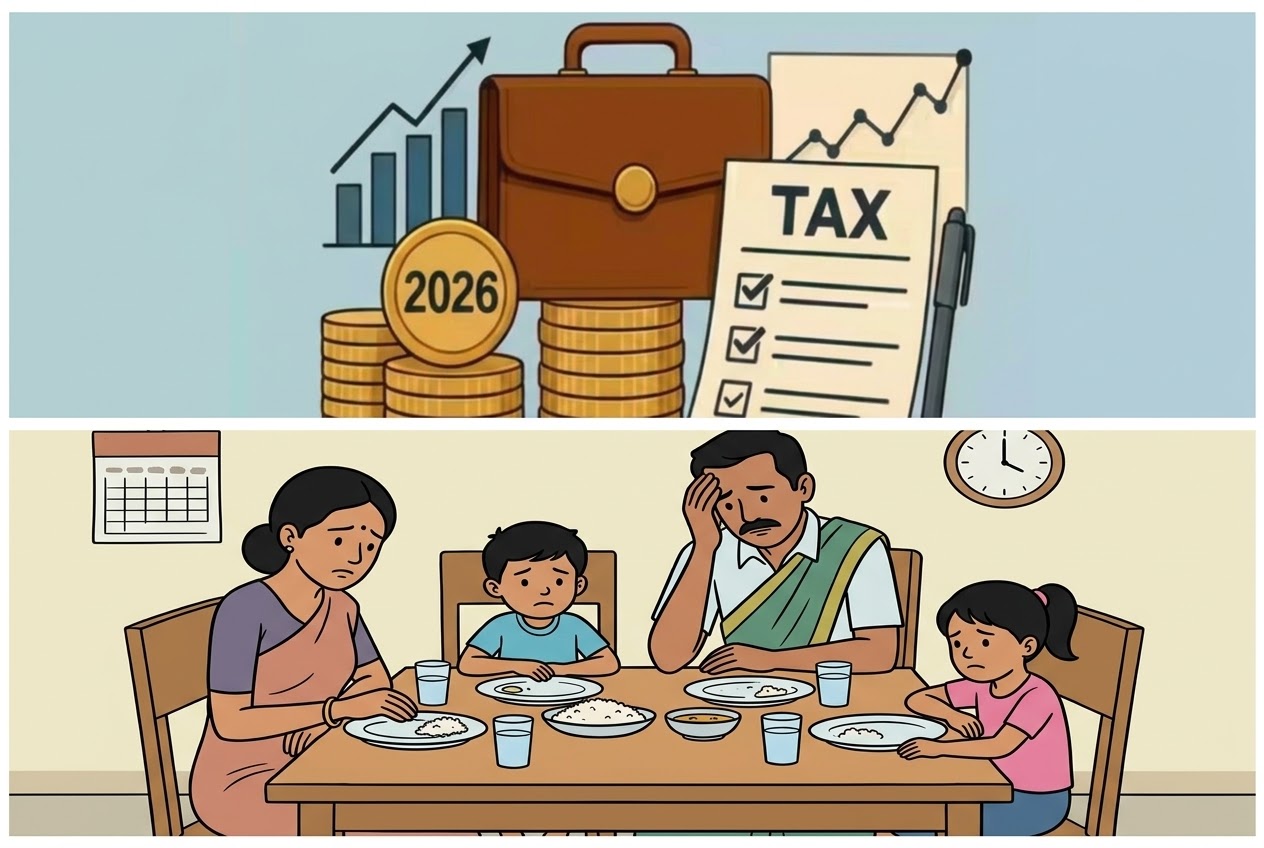
The main reason for the creation of this budget surplus was the artificial boosting of state revenue through raising the Value Added Tax (VAT) to 18%, Pay As You Earn (PAYE) taxes, and motor vehicle/customs duties.
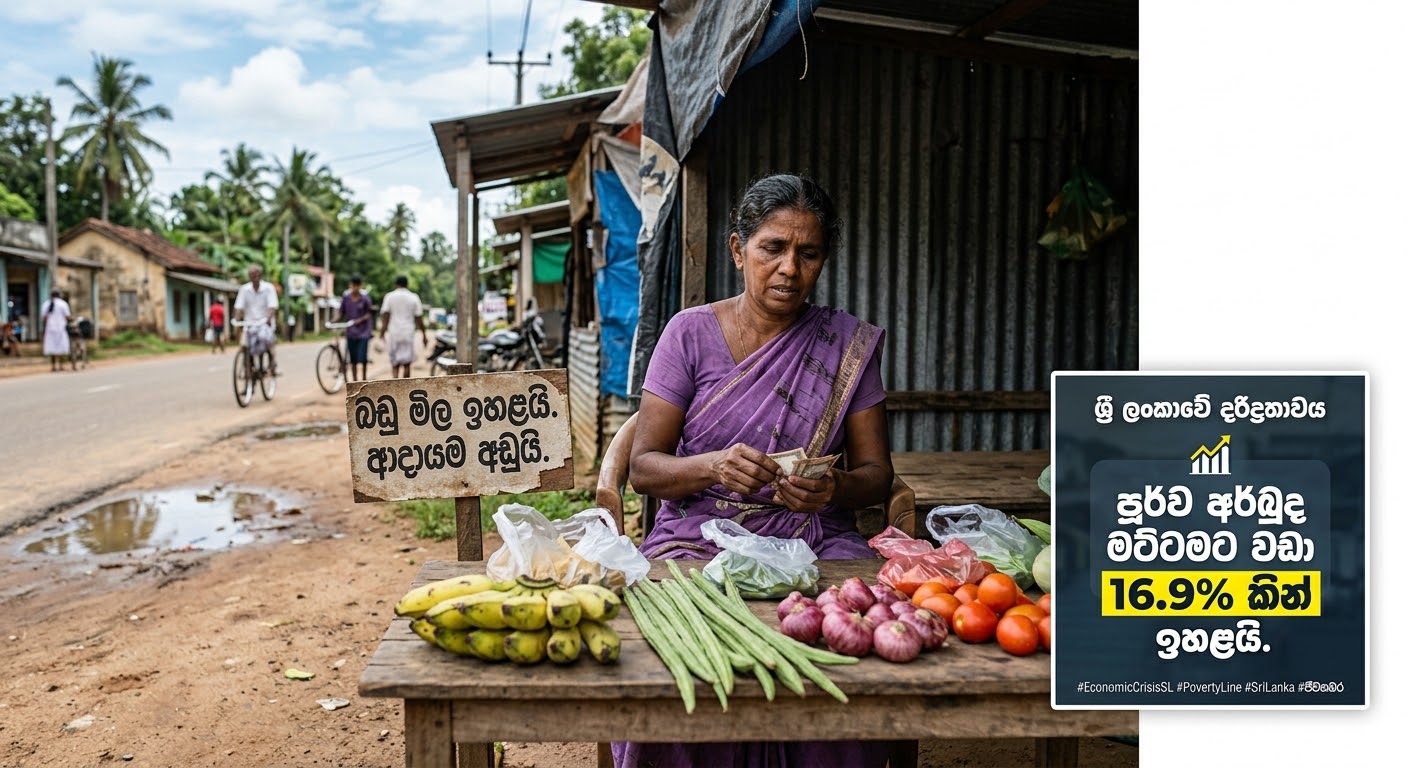
Against a backdrop where people's salaries are not increasing, levying such excessive taxes has caused disposable household income to drop drastically.
2. "High Cost of Living" and Unchanged Price Levels
Although some claim that the inflation rate has been controlled, that does not mean prices are decreasing; it simply means the pace at which prices are rising has slowed down.
During the 2022–2023 period, prices of goods and services rose by 200% to 300%, and those elevated base price levels remain unchanged to this day.
As long as the prices of electricity, water, transport, and essential consumer goods remain sky-high, the public will not feel immediate relief despite budget surpluses appearing in government records.
3. Cutting Development and Welfare Spending (Austerity Measures)
In order to maintain a surplus, the government has curbed essential public spending.
Health and Education: The shortage of medicines in hospitals and the slowdown in public service infrastructure have still not been fully resolved.
Capital Expenditure: Due to budgetary constraints, rural-level infrastructure development and small-scale contract/construction projects have been impaired, thereby blocking job opportunities and sources of income at the rural level.
4. The Real State of Investments and the Job Market
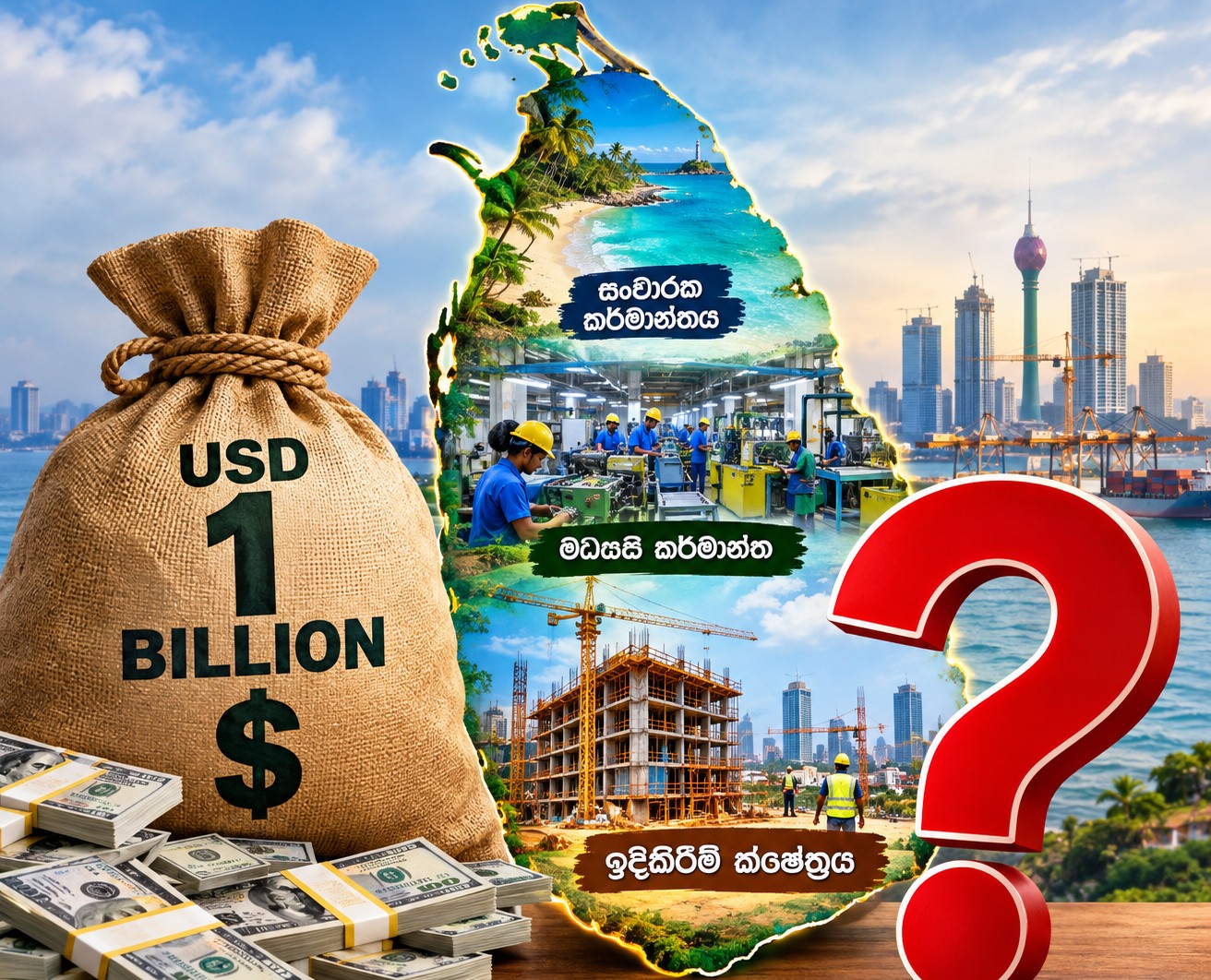
Although it was stated that nearly USD 1 billion in Foreign Direct Investment (FDI) arrived and around 100,000 jobs were added during the past 2024–2025 period, the reality behind that story is entirely different:
Expansions, Not New Investments: A large portion of the incoming investment consisted of expansions of existing projects or reinvested earnings from those projects (e.g., the USD 700 million investment in the West Container Terminal at the Colombo Port, Adani's USD 442 million energy project, and the expansion of the Cinnamon Life project).
Policy and Project Background: The preliminary legal and framework agreements for most of these large investments were initiated under previous governments. What the current government did was provide the necessary background to execute those projects while maintaining economic stability.
Slowdown in Rural Employment: Although these investments generated jobs in specialized sectors like Information Technology (IT), tourism, and energy, the construction sector—which creates the most jobs for ordinary people—remains sluggish.
Maintaining a budget surplus is an essential preliminary step toward ensuring long-term debt repayment capability and economic stability.
However, if that surplus is achieved off the back of heavy tax burdens imposed on the people, a high cost of living, and restrictions on public welfare, it is not "relief" for the people, but a "statistical illusion."
A country's true development is measured not by the surplus in government accounts, but by the prosperity in the living room and kitchen of an average household in the country.
Jayalathe Sunil Gamini ✍️