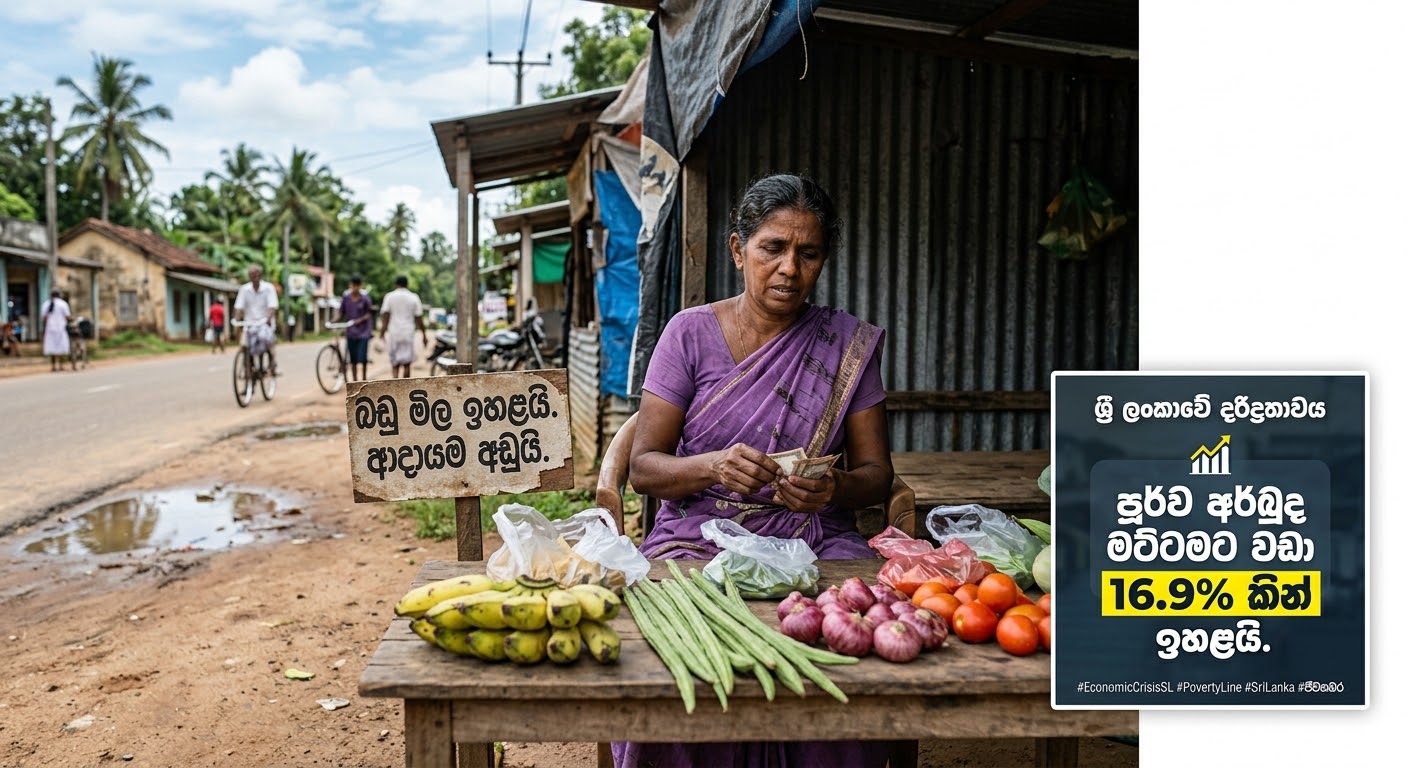
"Poverty in Sri Lanka is 16.9% higher than pre-crisis levels."
Sri Lanka’s economy has reached a significant milestone, approaching pre-crisis levels, but the recovery remains incomplete and uneven, with household income and labor market outcomes still lagging behind the broader economic recovery, the World Bank said in its annual economic outlook.
The latest Sri Lanka Development Update, released on October 6, forecasts Sri Lanka’s gross domestic product will grow by 4.4% this year, exceeding previous projections, on the back of a recovery to transformation, strong industry performance and steady growth in the services sector.
Growth is forecast to slow to 4.2% in 2027 as the post-crisis recovery fades and productivity remains weak. Rising downside risks, including prolonged volatility in global energy markets and the potential impact of El Niño, have been highlighted as potential to impact productivity and food security.
The World Bank Group’s Country Manager for Sri Lanka, Gevorg Sargsyan, made the following statement:
“Sri Lanka’s reclassification as an upper-middle-income country, especially in a challenging global environment, is a testament to the hard work of its people and the government’s commitment to recovery. But reaching this milestone marks a beginning, not an end. The country must seize this momentum to transform its economy and create jobs,”
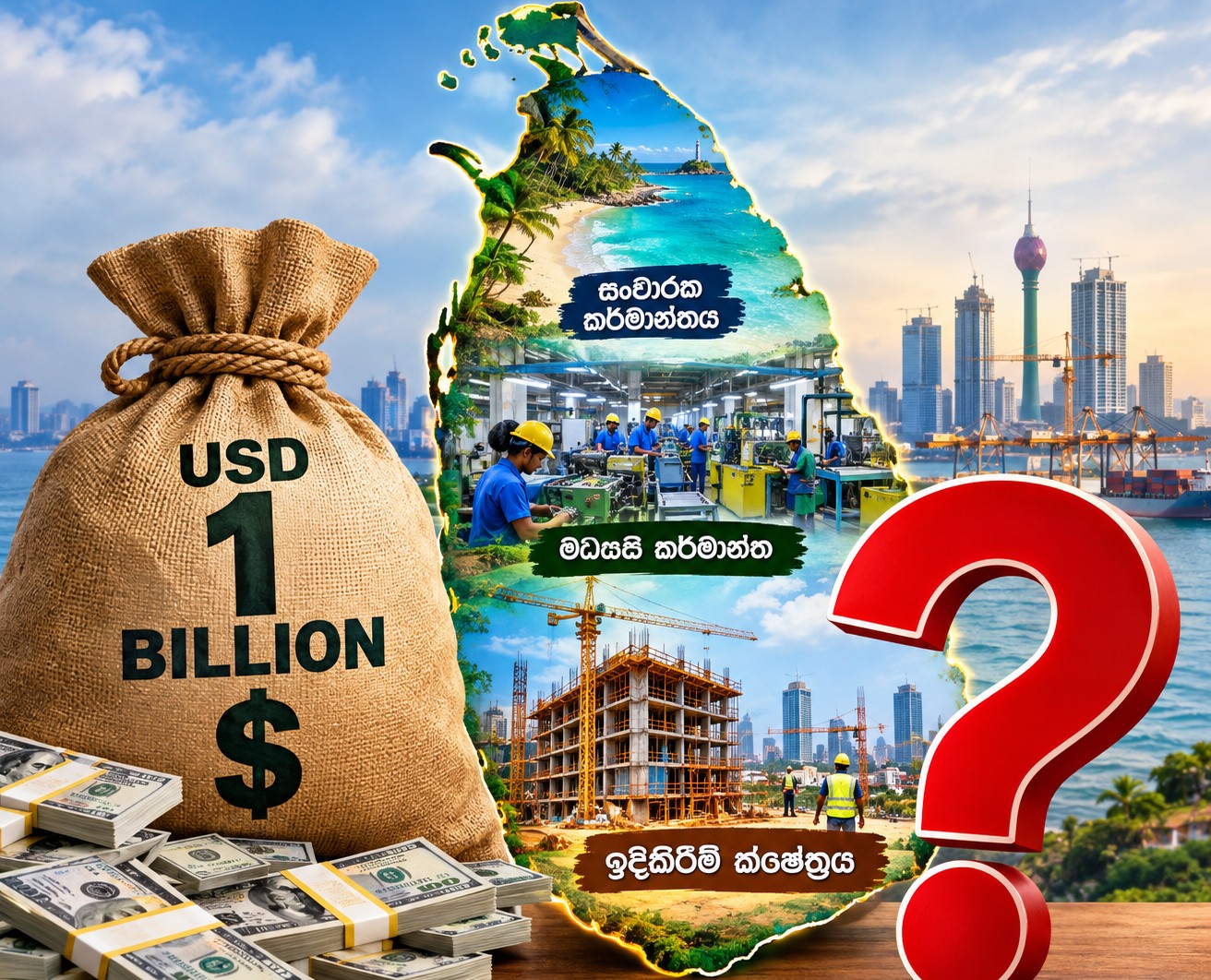
“Sri Lanka can capitalize on sectors with enormous potential, such as agri-food, investing in policies, infrastructure, and an enabling environment that allows farmers, businesses, and investors to lead the next phase of growth.”
Sri Lanka’s economy has expanded for twelve consecutive quarters, with real GDP growing by 4.7% in the first half of 2026, returning to 2018 levels, the World Bank said in a report.
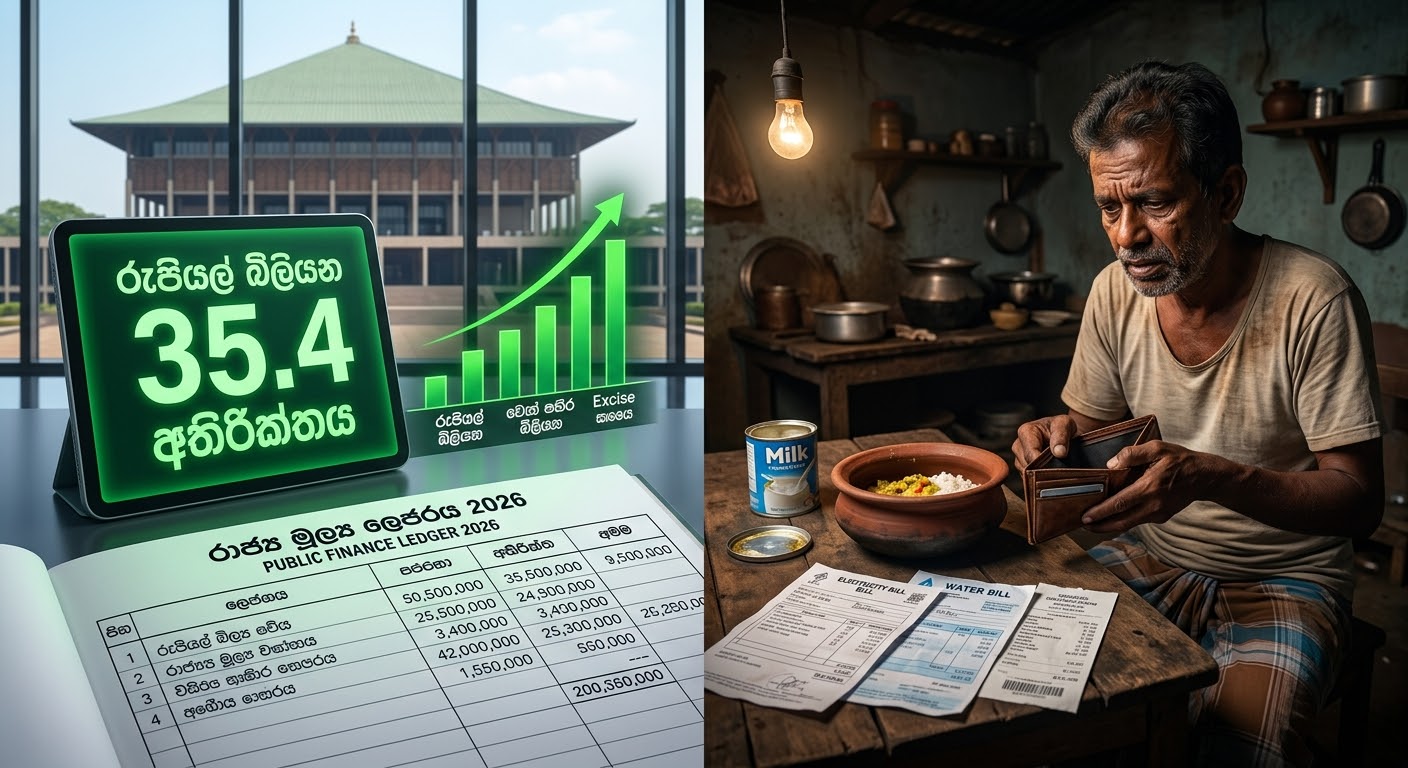
Fiscal performance has also strengthened, with the primary budget surplus rising sharply, but inflation has risen in recent months, driven by higher energy and food prices, and poverty in Sri Lanka remains at 16.9%, above pre-crisis levels, the World Bank said in its report.
Moving from recovery to transformation will require shifting the engine of growth away from government spending and towards increasing private investment, exports and productivity growth, the World Bank said.