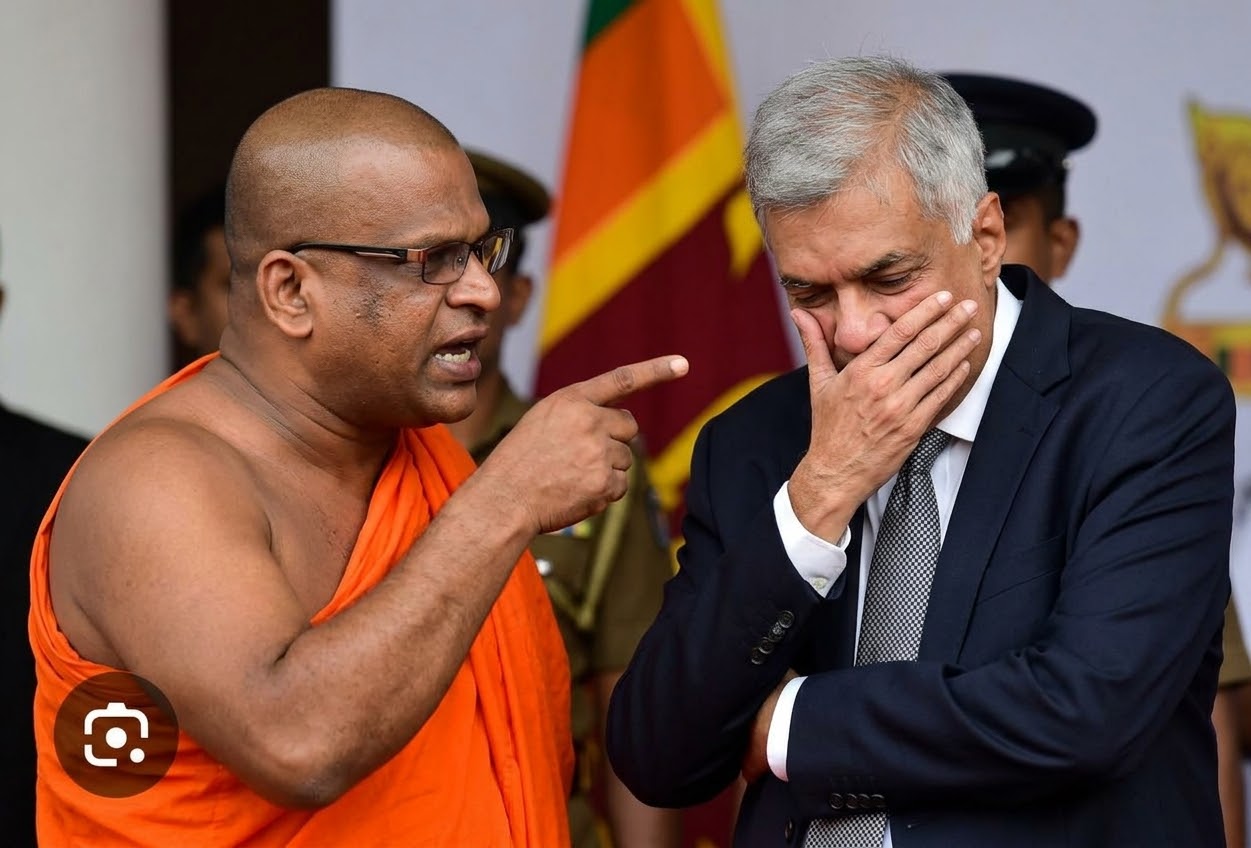
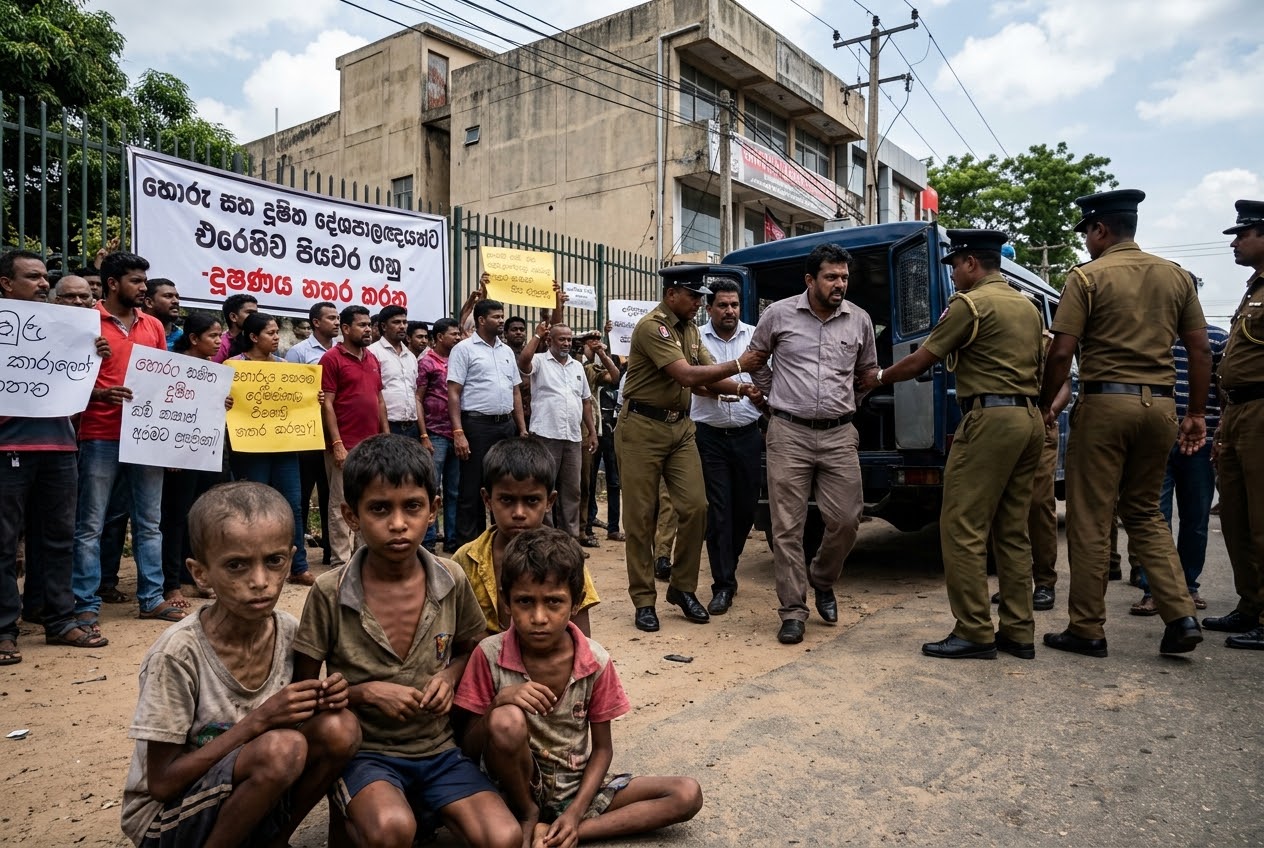
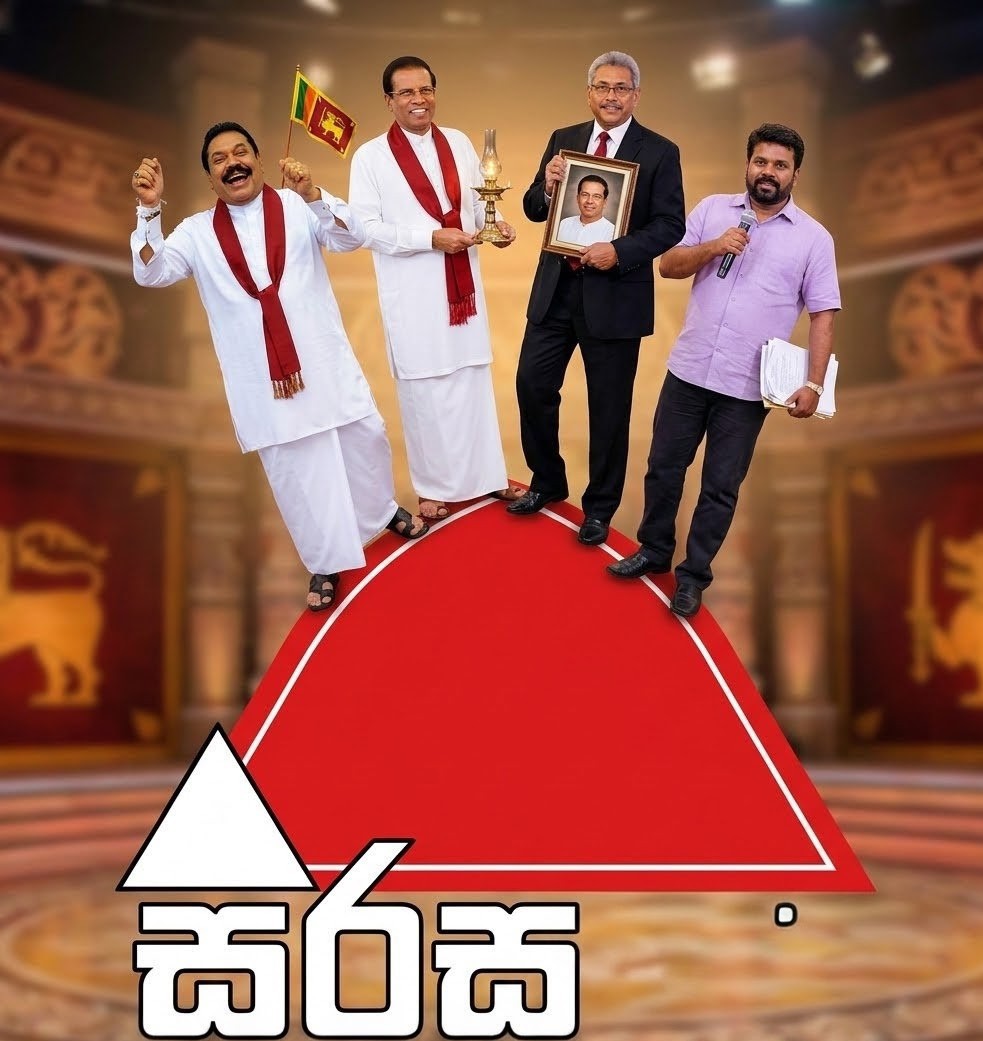
“It is good because our people do it”? Is this argument good for the country?
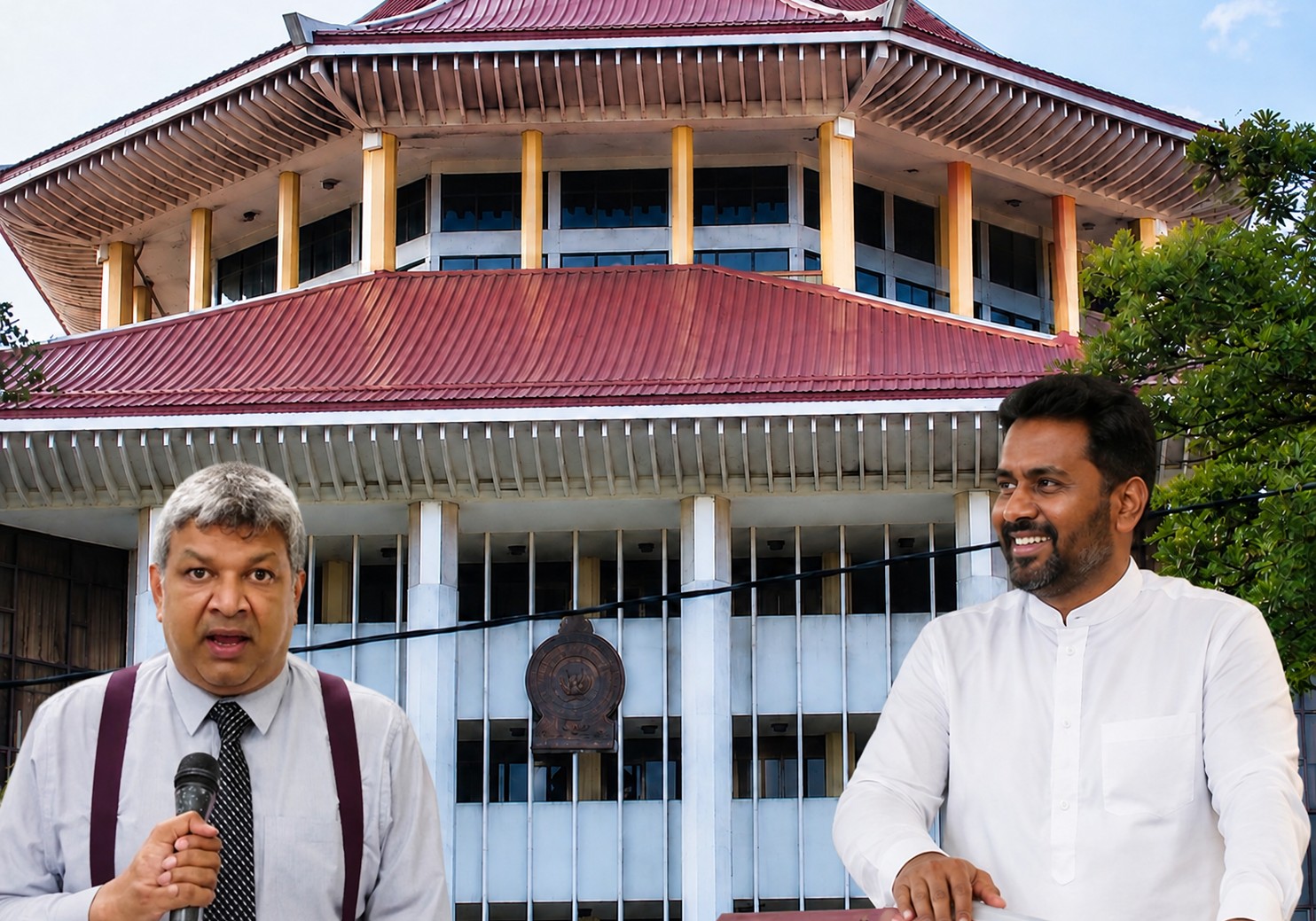
Is it enough for the interests of the ruler and the interests of the governed to coincide to create a good society?
Although it seems simple, this is actually a very important political issue.
If we consider the above issue in relation to the current 22nd Amendment to the Constitution, we can see that the interests of the ruler and (a certain section of) the governed are in agreement.
The idea held by one section of society in this regard is very simple.
That is,
“If this amendment helps in enforcing the law against old corrupt politicians, it is a good thing.”
When the government also presents such an objective, the interests of the government and the interests of a section of the people have come to the same place.
But here there is a very dangerous point that we forget.
"Just because the interests of the ruler and the interests of the ruled coincide, it does not become good governance."
The power given to punish the corrupt today, against whom will it be used tomorrow?...
It would not be an exaggeration to say that there is hardly any other group that has raised its voice and protested against the corrupt actions of the Rajapaksa family and many other politicians as much as the National People's Force.
When such a group has gained power, the people's expectation is that the law should definitely be enforced against those responsible for corruption. There is no debate about that.
If people's money has been looted, if power has been misused, if the law has been violated, the law should be enforced regardless of rank.
But the question is not only whether the corrupt should be punished.
The question is, in whose hands will the legal power created to impose that punishment go?
Today, a politician we like may be in power.
Today, a government we trust may be in power.
Today, that government may have goals that align with our goals.
But the constitution is not written just for the ruler who is in power today.
The constitution is written for all rulers who may come to power today, tomorrow, and in future generations.
Therefore, when deciding on a power that seems beneficial to us today, there is a question that we as a public must ask ourselves.
That is, if this power were to pass into the hands of a ruler we do not like tomorrow, would we still agree to this power?
A constitution that believes in a good ruler is not a good constitution.
The value of democracy is not to give power to the ruler on the belief that “a good ruler will come.”
A good constitution is a constitution that limits power equally when there is a good ruler and when there is a bad ruler.
Because every ruler in history came to power saying “I am for the people.” But when power is unlimited, the very word “for the people” can be used to justify power.
Can anything be justified by saying “because the people want it”?...
This is the most dangerous argument.
It is important that the majority of the people like something.
But the will of the majority is not the final measure of morality.
Even if the majority likes something,
• The rule of law,
• Judicial independence,
• Fundamental rights,
• Separation of powers,
• Free expression,
• The right to dissent
If it can be destroyed, it will not strengthen democracy.
Democracy is not just about doing what the majority likes.
True democracy is about protecting the rights of even the most disapproving person.
Even when punishing the corrupt, the law cannot be violated...
If we demand punishment for the corrupt, it should be done through the law, not outside the law.
If we fight injustice, we cannot build a just society using an unjust system.
It is not right to give the “power to punish the thief” in any way for the good intention of “punishing the thief”.
The strength of the law does not lie only in the severity of the punishment.
Is the punishment fair?
Is the process independent?
Is the judiciary not influenced?
Does the accused have a fair trial?
Can the same law not be misused by another ruler tomorrow?
Questions such as:
What if the power we applaud today knocks on our door tomorrow?...
This is the greatest lesson in political history.
Power is created not for an individual but for a system.
If the ruler we like today uses that power against the people we like, we can be happy.
But what if tomorrow that power is used against our ideas?
At that time, we will say,
“This power should not be so big.”
Then it will be too late.
Therefore, the real question about 22 is
“Can this punish the old corrupt?”
“Will this further strengthen the rule of law in Sri Lanka?”
“Will the independence of the judiciary be further protected?”
“Will it impose the same restrictions not only on the ruler who is in power today, but also on the ruler who comes to power tomorrow?”
“Will we be safe even if a ruler we do not like uses this power?”
Without a reasonable answer to these questions,
“Our government is good. Therefore, this power is good”
It is not good political wisdom to justify a constitutional change by saying.
It is a decision to govern the state based on personal beliefs.
A good society does not arise merely because the people want what the ruler wants...
A good society is not a society in which the people agree to do what the ruler wants.
A good society is a society in which the law is placed above the ruler so that the ruler cannot do injustice even against the people.
We demand punishment for the corrupt.
We insist on enforcing the law against criminals.
But let us always remember that all of this must be done by strengthening the rule of law.
Because,
If a power that can be used against our enemy today can be used against our freedom tomorrow, it is a victory of power, not a victory of democracy.
The ruler changes.
The political parties change.
The people in power change. But the constitution remains with the people of the country.
Therefore, today we should demand from the ruler we like and the government we like, "Build a system that even a ruler we don't like cannot misuse."
That is real constitutional reform.
That is real rule of law. That is real common good.
That is real democracy.
Jayalathge Sunil Gamini ✍️