The Slogans of Street Protests Forgotten After Entering Parliament
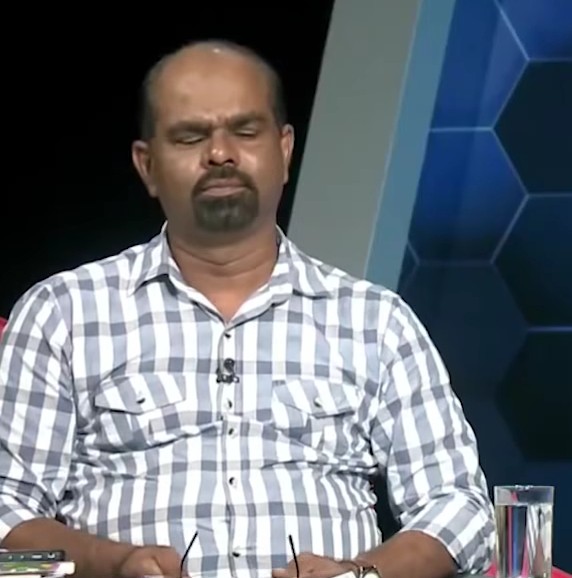
Who once raised their voices against salary disparities affecting Development Officers? Who took to the streets to protest the denial of promotions, the absence of a proper service minute, irregularities in the assignment of duties, and problems relating to allowances? Who pressured successive governments and organised protests and trade union action?
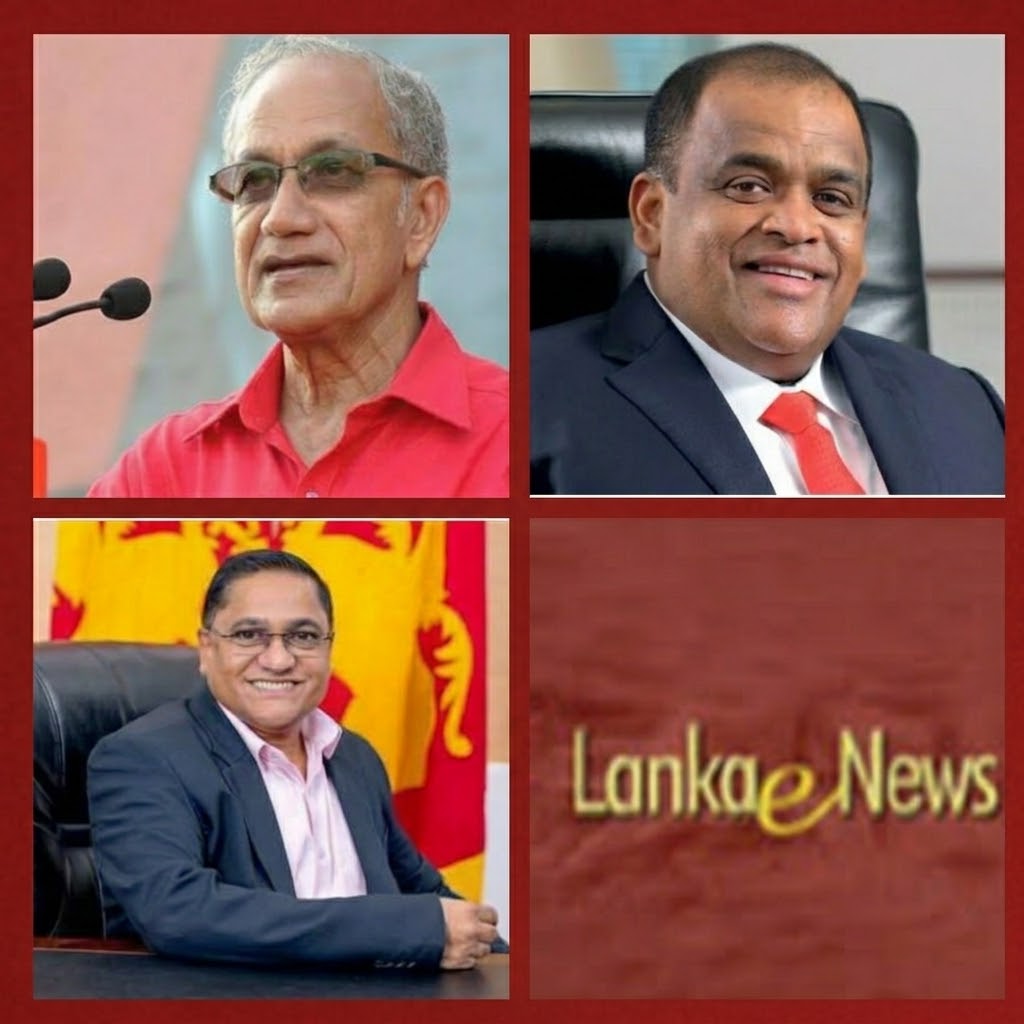
Chandana Sooriyarachchi, who led those struggles, is now in Parliament representing the National People’s Power (NPP).
Yet, a question now confronting society is whether the lives of the Development Officers for whom he once fought have genuinely changed since he assumed a different political role.
Have the slogans raised during those street protests been translated into parliamentary policies and practical solutions? Or have they become political promises that served their purpose only until electoral victory was secured?
This is not a question motivated by personal hostility. It is a legitimate question about the accountability of leaders who rise to political power through trade union struggles.
From Trade Union Struggles to Parliament...
There is nothing wrong with a trade union leader being elected to Parliament. In fact, it can provide an additional opportunity to resolve the problems of the employees they once represented.
What matters, however, is how that opportunity is used.
Bringing workers’ grievances onto the political stage during an election campaign is not the same as taking action to resolve those grievances while being part of the government.
On 29 August 2026, Opposition Leader Sajith Premadasa alleged that despite the presence of government representatives, including Chandana Sooriyarachchi, who had helped mobilise Development Officers and Economic Development Officers during the election period, the government had failed to take adequate steps to resolve their problems, including issues relating to their service minute.
This was a political criticism made by the Opposition Leader. Its allegations should be treated as claims requiring examination rather than as established facts without further verification.
Nevertheless, the fundamental question raised by this criticism cannot be ignored.
Leaders who sought the support of employees during election campaigns must now demonstrate to the public what tangible results they have achieved in resolving those employees’ problems.
The Unresolved Problems of Development Officers...
On 23 October 2026, The Morning newspaper reported that the Joint Development Officers’ Centre had announced a nationwide strike for 9 November.
Among the grievances raised by the trade union centre were the following:
The absence of a formal duty list clearly defining the duties and responsibilities of Development Officers.
The lack of a proper promotion system.
The need to wait approximately ten years to obtain a promotion between grades.
Allegations that there is no higher grade offering further opportunities for career advancement.
Problems concerning the formalisation of the service status of officers who have completed their training.
Salary disparities.
These are not merely demands for personal benefits or privileges. They concern employees’ ability to plan their professional futures, receive fair remuneration, and perform their duties under clearly defined responsibilities.
When an officer who has served in the public sector for years does not know when a promotion will be granted, what the precise responsibilities of their position are, or what opportunities exist for career advancement, this represents a serious administrative problem.
If such problems continue to persist, is it unreasonable to demand a clear account of progress from the trade union leaders who once fought to resolve them?
Aswesuma, Clean Sri Lanka and Field Duties — Who Bears the Costs?
Development Officers attached to Divisional Secretariats are assigned field duties connected with Aswesuma, Clean Sri Lanka, and other national and local development projects.
Such duties may require them to travel within their assigned divisions, collect information, meet members of the public, and monitor the progress of various projects.
However, officers have raised concerns that transport facilities, travel expenses, and other costs incurred in carrying out these duties are not being adequately provided for or reimbursed.
This raises a straightforward question for the government:
Who is responsible for providing the financial resources and facilities necessary to perform an assigned official duty?
If an officer is required to use personal funds to cover transport costs while performing official duties, what mechanism exists to reimburse those expenses? Are the travel expenses of field officers included in the budgets allocated for these projects? Which circulars govern the payment of relevant allowances?
These questions must be answered by the relevant ministry and public administration authorities.
Participation in a programme such as Aswesuma or Clean Sri Lanka does not automatically entitle every officer involved to a special allowance. Nevertheless, there must be a clear, fair, and transparent mechanism for dealing with expenses incurred in the performance of official duties.
Allowances for Senior Officials and the Difficulties Faced by Field Officers...
Media reports indicated that, in 2024, a decision had been taken to provide monthly allowances of Rs. 15,000 for Divisional Secretaries and Rs. 10,000 each for Assistant Divisional Secretaries, Assistant Directors (Planning), and Accountants. These allowances were reported as applying to the period from March to December 2024.
This does not mean that all such allowances are unjustified. There may be legitimate reasons for providing allowances to senior officials, depending on their responsibilities, the nature of their duties, and the relevant administrative circulars.
However, should not the public administration system responsible for determining these allowances pay equal attention to the actual expenses incurred by officers working in the field?
If field officers are not provided with the funds necessary to perform their duties, while senior officials who supervise and assign those duties continue to receive substantial allowances, the policy reasons for this disparity must be clearly explained to both lower-ranking officers and the public.
This is not an argument that senior officials should not receive allowances. The issue is whether fairness, operational necessity, and transparency are being upheld when allowances and facilities within the public service are determined.
The Issue Has Been Raised in Parliament — But What Results Have Followed?
According to the official records of the Sri Lankan Parliament, on 17 March 2026, MP Chandana Sooriyarachchi moved an adjournment motion concerning the grievances faced by Development Officers.
This is important evidence that he raised these issues in Parliament.
Moving a motion brings a problem before Parliament. However, obtaining a ministerial decision, amending the relevant circulars, allocating funds, and implementing measures according to a specific timetable are separate tasks necessary to resolve that problem.
Therefore, the question is not simply whether he presented a motion.
What action was taken following that motion?
What decisions were reached through discussions with the relevant ministries?
Which problems have been resolved?
Which problems remain unresolved?
What is the timeline for resolving the outstanding issues?
These questions deserve documented answers.
Does a Trade Union Leader’s Responsibility Change After Joining the Government?
Even after becoming part of the government, a trade union leader can continue to defend the rights of the employees they once represented. In fact, the responsibilities attached to that position become broader.
While in opposition, a politician may be satisfied with criticising the government. But when serving as a representative of the government, they must also answer questions about the policies and actions of their own political side.
The government may face budgetary constraints, public service reforms, and administrative obstacles. However, these challenges cannot justify remaining silent about workers’ grievances or failing to explain clearly what is being done to resolve them.
At the same time, it must be acknowledged that an individual MP cannot make every decision single-handedly. Nevertheless, they have a responsibility to explain to the public what they can do within their powers, what they cannot do, and why.
Political power is not a privilege that exempts anyone from criticism. It entails greater accountability.
The Gap Between Election Promises and Actual Results Must Be Measured...
Another important question that must be put to former trade union leaders such as Chandana Sooriyarachchi is this: how many of the demands they once championed have actually been implemented today?
Answering this requires specific documentary evidence, including:
Decisions and budget allocations relating to the resolution of salary disparities.
Circulars and formal provisions concerning promotions and the service minute of Development Officers.
Official duty lists and documents clearly defining their responsibilities.
Mechanisms for providing travel reimbursements and other allowances for field duties.
Action plans and implementation timelines prepared by the relevant ministries for unresolved problems.
The allocation of funds for public sector salaries and allowances in the 2024 Budget, by itself, is not evidence that all the specific problems faced by Development Officers have been resolved. The actual salary changes, promotions, and other benefits received by these officers must be examined separately.
Similarly, a speech by an MP or a motion presented in Parliament is not enough. What the public needs is a tangible result.
Questions That Development Officers Deserve Answers To...
There are several questions that the public should direct not only to Mr Chandana Sooriyarachchi, but also to the relevant ministry and the government as a whole.
First: Is there a specific timetable for resolving salary disparities and promotion-related problems affecting Development Officers?
Second: What steps have been taken to introduce a formal duty list and a clearly defined service minute for their service?
Third: Are sufficient funds available to cover the travel expenses of officers undertaking field duties for Aswesuma, Clean Sri Lanka, and other projects?
Fourth: Is there a common policy that takes operational requirements, responsibilities, and fairness into account when determining special allowances and other benefits?
Fifth: What agreements have been reached between MPs, trade unions, and the relevant ministries to resolve the problems faced by Development Officers? Which of those agreements have actually been implemented?
Providing answers to these questions would enable employees to understand the progress made in resolving their grievances while also strengthening government accountability.
Were the Struggles for the People — or to Gain Political Power?
There is nothing wrong with a trade union leader entering politics. However, it is essential to ask what answer that leader can now give to the employees who once rallied around them.
Have the salary disparities challenged in the streets been resolved? Has the promotion system demanded at the time been implemented? Have the irregularities in the assignment of duties that were once criticised come to an end? Has the situation changed for field officers who are required to spend their own money to perform official duties?
These questions should not be answered through accusations and counter-accusations. They must be answered through official documents, decisions that have actually been implemented, and tangible results delivered to employees.
It must be acknowledged that Mr Chandana Sooriyarachchi has presented a parliamentary motion concerning the grievances of Development Officers. However, the public also has the right to know what happened after that step was taken.
A seat in Parliament is not the ultimate reward for a struggle. It is a responsibility undertaken before the people to fulfil the objectives of that struggle.
Political power built through public struggles must be used to improve the lives of the people who fought those struggles. If that does not happen, the public has every right to question the purpose of that political journey.
If the rights demanded at the time have now been secured, present the documentary evidence. If they remain unresolved, announce the plan and the timetable for resolving them.
Those who rise to power through the struggles of the people must, ultimately, answer to the people themselves!
Jayalathge Sunil Gamini ✍️