Putin Warns of Inevitable Retaliation Against Ukraine as Attacks on Russian Oil Refineries Intensify
Escalating Energy Infrastructure Strikes Raise Concerns Over Global Oil Supply and Prices
Russian President Vladimir Putin has warned that retaliation against Ukraine is inevitable following a renewed wave of Ukrainian attacks on Russian oil refineries, raising further concerns about the potential impact on global energy markets.
Speaking at a meeting with government officials and senior oil industry executives at the Kremlin on November 24, Putin accused Ukraine of continuing to target Russian oil-processing facilities despite requests from US President Donald Trump to refrain from such attacks.
Putin stated that Russia would inevitably take retaliatory measures and called for additional security measures to protect the country's energy infrastructure and refinery workers.
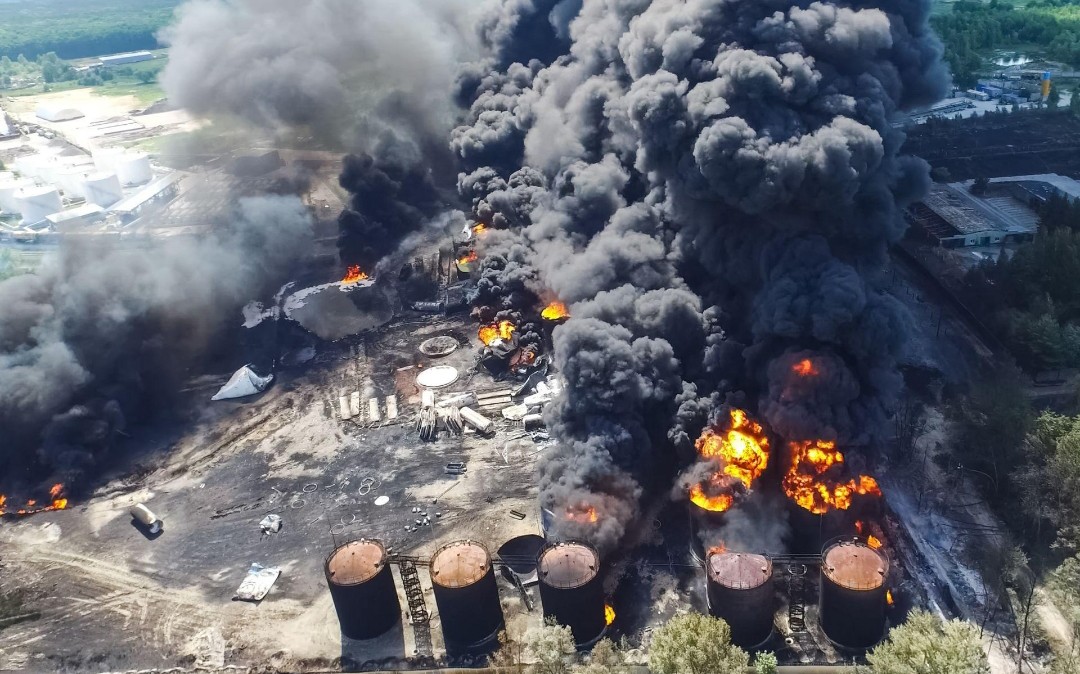
The warning comes amid an intensification of Ukrainian drone strikes against Russian energy facilities since late October.
Ukrainian Attacks Disrupt Russian Oil Refining Operations
According to estimates from two industry sources cited by Reuters, Ukrainian drone attacks have reduced the combined crude oil processing volumes of Russian refineries by approximately 45% since late October.
Several Russian regions have reportedly introduced restrictions on retail sales of petrol and diesel following the renewed attacks.
Putin acknowledged that the domestic petroleum products market remained challenging, although he claimed that petrol prices had stabilised after reaching a peak in October.
Russia has reportedly taken measures to maintain domestic fuel supplies, including increasing fuel production, building reserves, adjusting transportation networks and restricting certain fuel exports.
These developments highlight the growing vulnerability of Russia's energy infrastructure as Ukraine continues targeting facilities that play an important role in generating revenue and supplying domestic fuel.
Ukraine Rejects Putin's Accusations
Ukraine has defended its attacks on Russian energy infrastructure, arguing that it will stop targeting Russian energy facilities only when Moscow ends its own attacks on Ukrainian infrastructure.
Ukrainian Foreign Minister Andrii Sybiha responded to Putin's latest warning by saying that Russia could end the Ukrainian strikes by bringing its war against Ukraine to an end.
Kyiv considers attacks on Russian oil facilities part of its broader strategy to weaken Moscow's ability to finance its military operations.
The renewed exchange of threats raises concerns that energy infrastructure could become an increasingly important target in the continuing conflict.
What Does This Mean for the Global Oil Market?
Russia remains one of the world's major oil producers and exporters. Consequently, any significant disruption to its energy infrastructure could have implications for international energy markets.
However, damage to oil refineries does not automatically mean an equivalent reduction in global crude oil supplies. The actual impact depends on the extent of the damage, the ability of Russian producers to redirect crude exports, available storage capacity and the duration of disruptions.
Nevertheless, prolonged attacks could affect the availability of refined petroleum products, including diesel and petrol, while increasing uncertainty in international energy markets.
If the conflict escalates further and disrupts production, processing or transportation, global oil prices and shipping costs could come under additional pressure.
Why Should Sri Lanka Be Concerned?
For Sri Lanka, these developments deserve particular attention because of the country's dependence on imported petroleum products.
Any sustained increase in international oil prices could raise the country's fuel import bill and place additional pressure on foreign exchange reserves.
Higher fuel costs could also translate into increased transportation expenses, electricity generation costs and production costs across several industries.
Ultimately, these increases could contribute to higher prices for essential goods and services, placing further pressure on household budgets.
The situation also highlights the importance of diversifying energy supply sources, maintaining adequate fuel reserves and reducing long-term dependence on imported fossil fuels.
A Wider Economic Warning
The conflict between Russia and Ukraine is no longer confined to the battlefield. Energy infrastructure, international trade routes and global commodity markets have increasingly become part of the wider economic confrontation.
For countries such as Sri Lanka, which have limited influence over international conflicts but remain highly exposed to global economic developments, these events underline the importance of economic preparedness and energy security.
The central question is not simply how the war will develop, but how effectively countries such as Sri Lanka can protect their economies and ordinary citizens from its wider consequences.
Jagath Gunaratne ✍️