A Challenge to Sri Lanka’s Apparel Industry?
Competition in international markets is constantly evolving. For small economies like Sri Lanka, maintaining their position in the European market is particularly important.
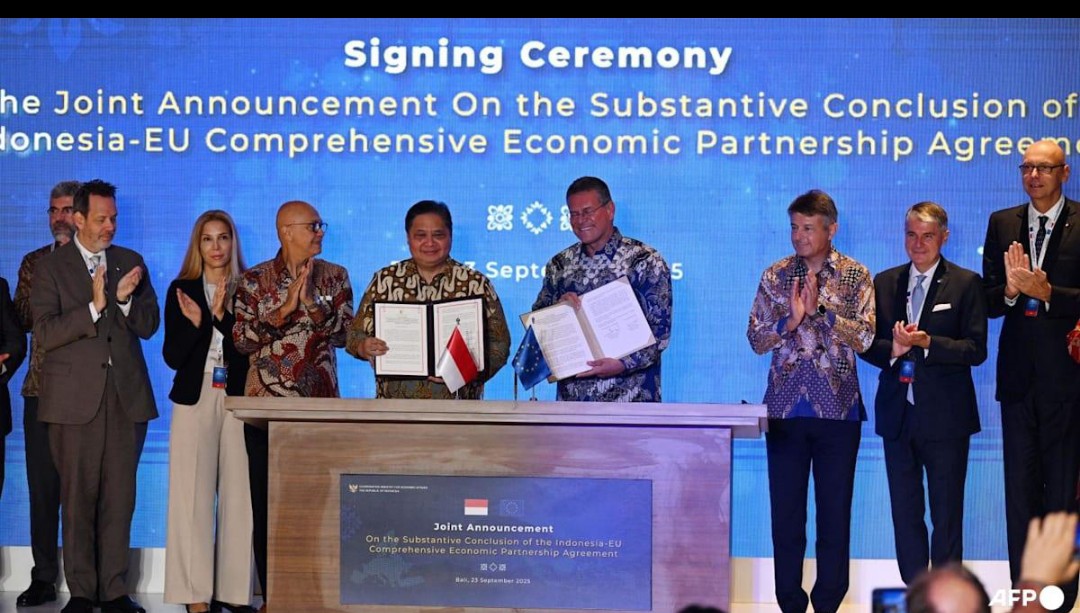
Against this backdrop, the new trade agreement reached between the European Union and Indonesia, the largest economy in Southeast Asia, is an important international economic development that Sri Lanka needs to examine closely.
On 21 November 2026, the European Union and Indonesia signed the Comprehensive Economic Partnership Agreement (CEPA).
Under this agreement, plans are in place to eliminate tariffs on up to 98.5% of traded tariff lines between the two parties.
Among the key sectors expected to benefit from greater access to the European market are Indonesia’s palm oil, textiles, garments and footwear industries.
The agreement is also expected to help the European Union establish more reliable supply chains for essential battery-manufacturing minerals such as nickel and cobalt.
According to estimates by the European Commission, the agreement could increase EU exports to Indonesia by nearly 40% over the next 15 years.
So, What Does This Mean for Sri Lanka?
Particular attention must be paid to Sri Lanka’s apparel industry, one of the country's major sources of export earnings.
Sri Lanka’s apparel industry has maintained longstanding commercial ties with the European market. Thousands of jobs, foreign exchange earnings and a significant part of the country's export economy depend on this industry.
However, Indonesia is now gaining greater opportunities to sell garments, textiles and footwear in the European market with preferential tariff advantages.
As a result, Sri Lankan apparel manufacturers may increasingly have to compete with Indonesian producers in terms of prices, production costs, delivery times and product quality.
This does not mean that Sri Lanka will immediately lose its existing market share. However, it is clear that the competitive landscape in the European market could change over the longer term.
Furthermore, Sri Lanka enjoys an important advantage through the European Union's GSP+ tariff concession scheme. Therefore, the trade advantages available to the two countries cannot be considered identical. Nevertheless, the new trading opportunities opening up for Indonesia cannot be ignored.
The Challenge Facing the Government and the Export Sector...
When international trade agreements of this nature are concluded, they cannot simply be dismissed as foreign news with no relevance to Sri Lanka.
What Sri Lanka needs to do includes: -
Protecting its existing export advantages in the European market.
- Making effective use of GSP+ concessions.
- Establishing new trade agreements with Asian countries.
- Improving the technological standards and quality of apparel products.
- Reducing production costs and strengthening international competitiveness.
- Identifying new export markets and diversifying the country's export base.
The Question We Must Ask!
While Indonesia has spent years negotiating with the European Union to expand its trade opportunities in pursuit of its national economic interests, what long-term strategies is Sri Lanka pursuing to strengthen its own export economy?
Have the necessary policies been developed to protect employment in our apparel industry, export earnings and Sri Lanka's position in international markets?
Winning the competition in global markets is not about boasting of past achievements. It is about identifying future challenges in advance and preparing to meet them.
What Sri Lanka needs today is not reactive economic policymaking, but a forward-looking export strategy that anticipates changes in the global marketplace.
Jagath Gunaratne✍️