Breaking newsInternational
What Would Happen to Sri Lanka if the War in the Middle East Escalates Further?
By Admin
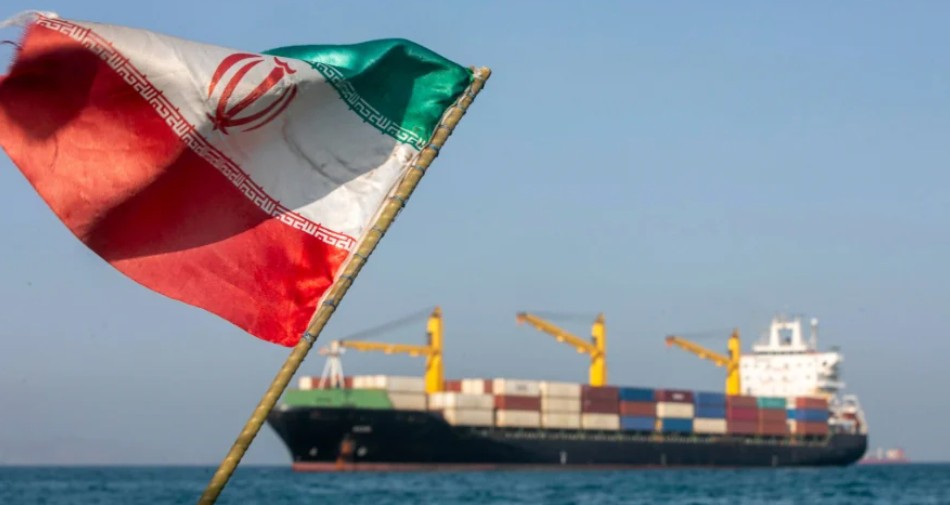
A war that erupts in one part of the world can affect the food on people's tables, transportation costs and everyday lives in another part of the world. Sri Lanka is a good example of how such international conflicts can have far-reaching economic consequences.
The escalating military tensions in the Middle East are not merely a regional political conflict. They represent a potential crisis that could disrupt global energy supplies and international trade.
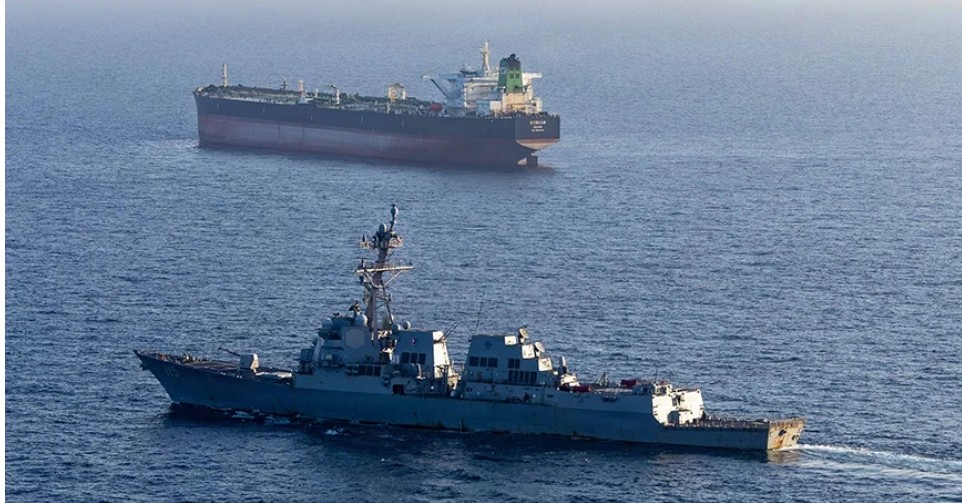
In particular, the growing tensions surrounding the Strait of Hormuz, through which a significant proportion of the world's oil shipments pass, could pose a serious challenge to a country like Sri Lanka, which depends heavily on imported fuel.
What Happens if Fuel Prices Rise?
According to the International Monetary Fund's March 2026 report, approximately 50% of Sri Lanka's petroleum imports are linked to the Middle East region.
According to an estimate in the same report, a US$10 increase in the price of a barrel of crude oil could widen Sri Lanka's trade deficit by approximately 0.6% of GDP.
Rising fuel prices do not simply mean higher petrol and diesel prices. The impact eventually reaches ordinary consumers through increased transportation, electricity, agricultural, fisheries and industrial production costs.
As a result, the prices of everything from food to essential consumer goods could come under upward pressure.
A Threat to Foreign Exchange Earnings Too!
There is another important factor that must not be overlooked: the foreign remittances sent to Sri Lanka by its citizens working in Middle Eastern countries.
According to the IMF report, approximately 40% of Sri Lanka's foreign remittances are linked to the Middle East region.
If the conflict expands, resulting in job losses, disruptions to business activities and economic downturns, these remittance flows could also be affected.
Furthermore, disruptions to air travel and tourism could have a negative impact on Sri Lanka's tourism earnings.
Consequently, Sri Lanka could face a situation in which rising fuel prices and mounting pressure on foreign exchange earnings occur simultaneously.
What Is the Government's Responsibility?
The Sri Lankan government cannot stop an international war. However, it is the government's responsibility to prepare in advance to minimise its economic consequences.
Essential measures include:
Maintaining alternative fuel supply routes and adequate fuel reserves.
Explaining transparently to the public how domestic fuel prices are determined.
Providing targeted assistance to protect low-income communities.
Preparing emergency plans to safeguard Sri Lankan workers in the Middle East.
Expanding renewable energy to reduce the country's dependence on imported fuel.
Taking such measures is essential.
In Conclusion...
Wars may be started by global powers. However, it is often ordinary people, with no involvement in those conflicts, who end up paying the economic price.
If military conflicts in the Middle East escalate further, the consequences for Sri Lanka will extend far beyond fuel prices. They could affect foreign exchange earnings, employment, the tourism industry and the overall cost of living.
Therefore, this is the question that should be put to the government today:
When the next global economic storm arrives, do we have an economy strong enough and a sufficiently far-sighted plan to prevent its burden from being shifted onto the shoulders of ordinary people?
A country's economic strength should not be measured solely by the statistics it presents during prosperous times. It must also be measured by its ability to protect its people during difficult times.
Jagath Gunaratne ✍️