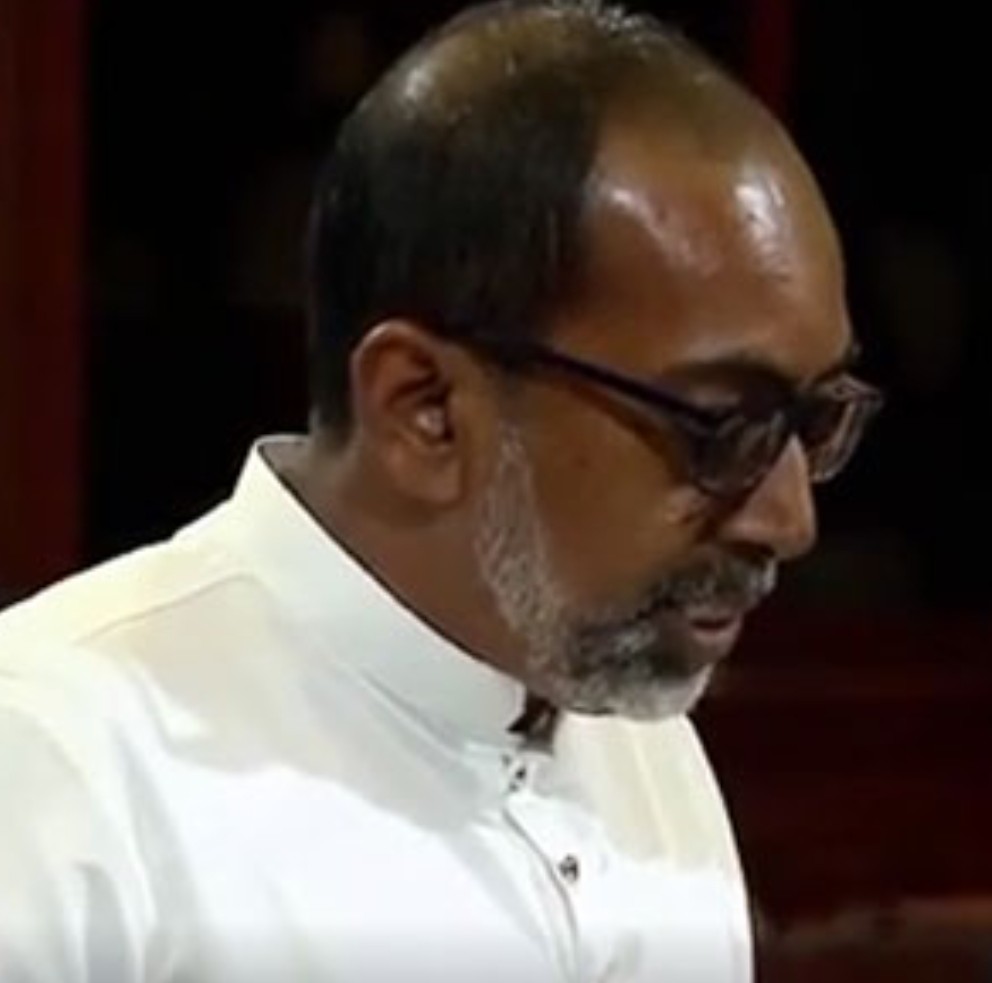
Allegations of plagiarism against Professor Hiniduma Sunil Senevi, the current Minister of Buddhasasana, Religious and Cultural Affairs, have once again become a topic of discussion on social media.
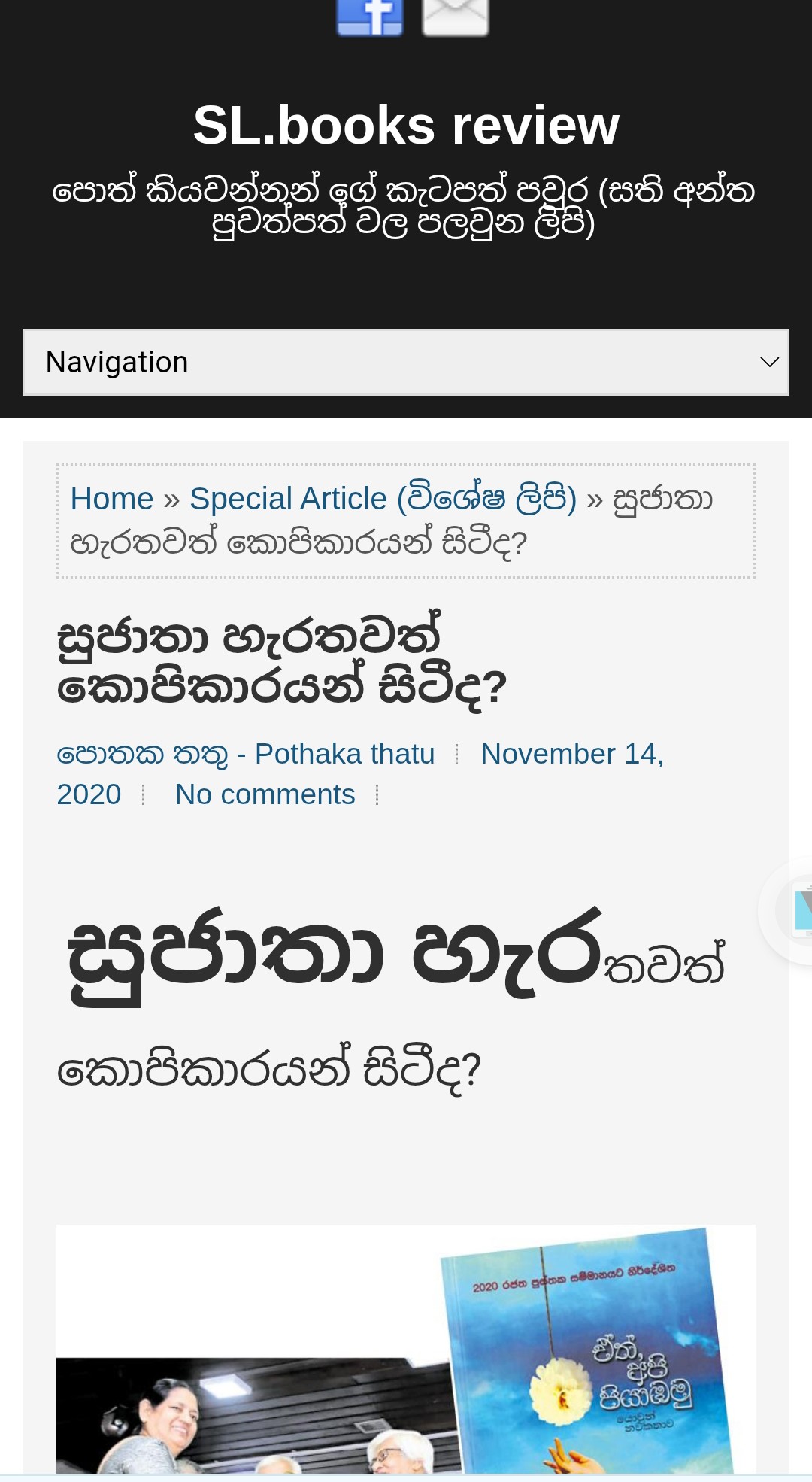
However, this is not an allegation that has suddenly emerged in recent days. One of the earliest online publications we have been able to identify on this matter is an article published on 14 November 2020.
The website itself states that the article was reproduced from the Varuna supplement of the Aruna newspaper published on 15 November 2020.
The allegation presented in that article is that the late Padma Edirisinghe, a well-known translator, writer and administrative officer, had delivered a series of radio talks on the history of old Colombo through the Sri Lanka Broadcasting Corporation. It is alleged that Senevi recorded these talks and subsequently published their contents as a book under his own name.
At the end of the 2020 article, it also states: “He was found guilty of the allegation.”
This is not merely a post that appeared on social media today. It is a publication dating back nearly six years.
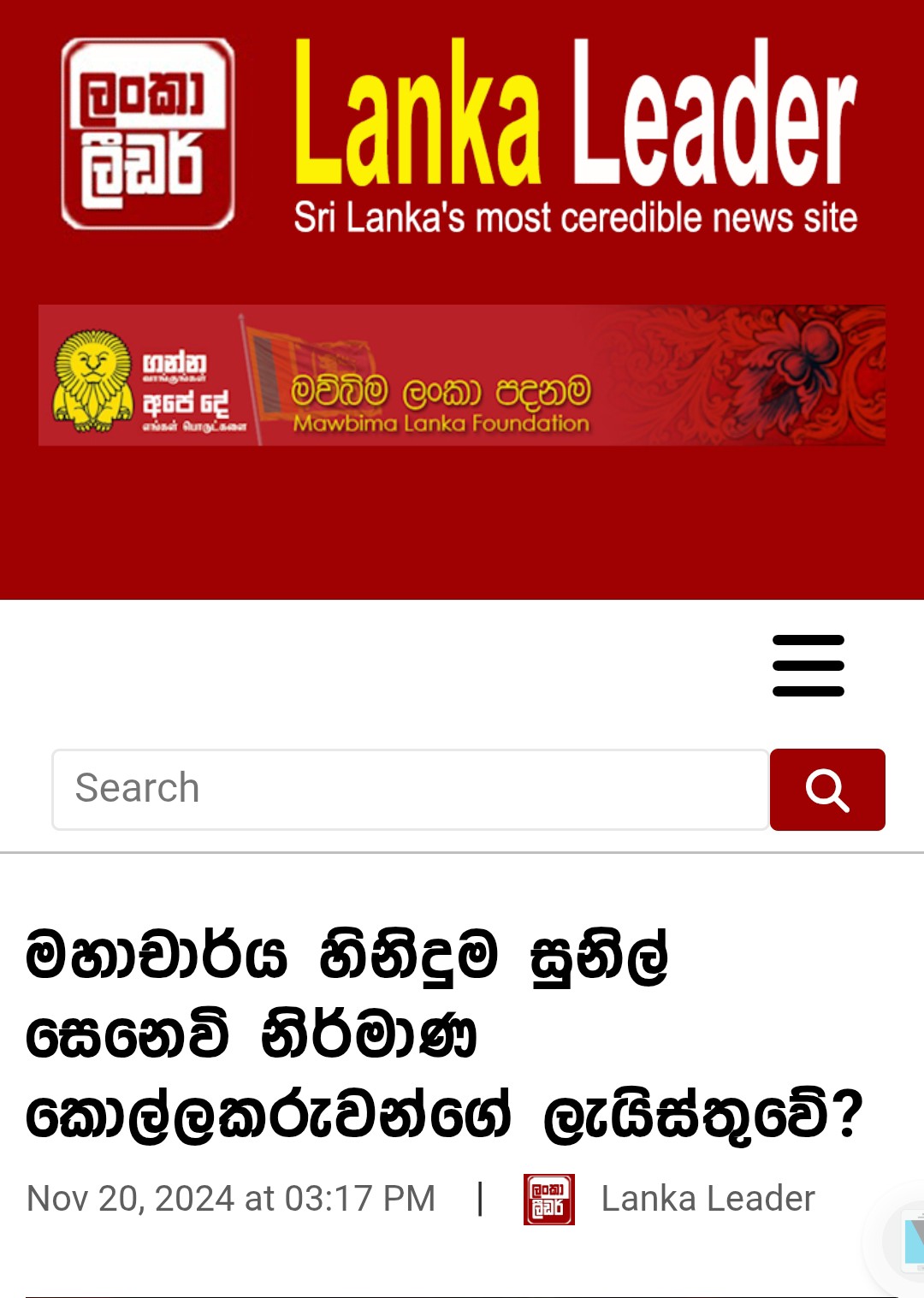
On 20 November 2024, the Lanka Leader website republished the same allegation. It stated that a reader had sent them the article published on 14 November 2020 and that they were bringing its contents to the attention of their readers.
Accordingly, the allegation was brought back into the public domain in 2024 not through new judicial information or a fresh investigation, but by reproducing an article that had already appeared in 2020.
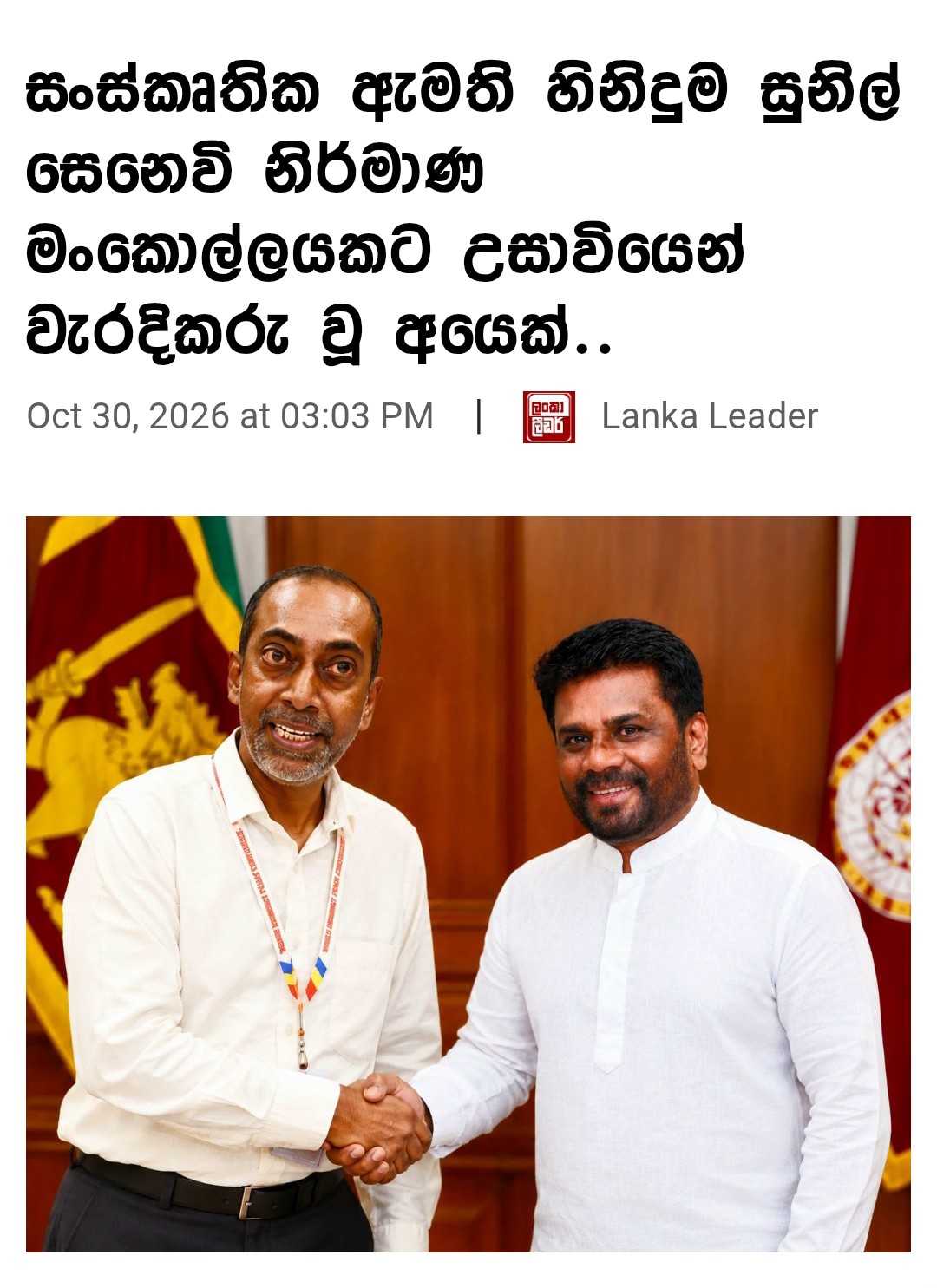
Another article published on 30 October 2026 made the allegation more forcefully, claiming that Senevi had been found guilty by a court following a lengthy trial concerning an alleged violation of the Intellectual Property Act.
However, this raises a major question.
What is the case number relating to the alleged court conviction? Which court heard the case? On what date was the judgment delivered? Is a copy of the judgment available? Was an appeal filed?
So far, we have been unable to obtain definitive answers to these questions from the publicly identifiable sources. Although the allegation and the claim that Senevi was found guilty appear in the 2020 article, the 2024 republication and the 2026 article, none of them provides the case number, the name of the court or the date of the judgment necessary to identify and verify an actual court ruling.
There is another important point to consider.
Following the publication of this allegation in 2020 and its republication in 2024, we have not been able to identify reliable public information showing that Professor Hiniduma Sunil Senevi publicly denied the allegations as false or initiated legal action against those publications.
However, this does not conclusively establish that he never took any such action. Likewise, the absence of a publicly identifiable denial or legal action does not, by itself, prove that the allegation is true.
Nevertheless, it is reasonable to raise the question of public accountability and the responsibility to provide an explanation regarding such a serious allegation that has repeatedly appeared in public over several years.
Another important issue that must not be overlooked is the intellectual contribution and creative rights of the late Padma Edirisinghe.
If the allegation is true, this is not merely an accusation against an individual. It raises serious questions about a writer's intellectual contribution, authorship rights and fairness in the recognition of creative work.
Therefore, revealing the truth about this matter is the responsibility of all relevant parties.
We are not asking anyone to be declared guilty merely on the basis of an allegation. If a court has indeed found him guilty, we ask that the relevant court judgment be made available. If the allegation is false, we ask that it be clearly and publicly denied.
Can such a question be ignored when it concerns a minister entrusted with the country's culture, literature and intellectual heritage?
Rather than accepting or rejecting allegations according to political loyalties, what we need is the truth, supported by documented evidence.
If an allegation exists, its truth or falsity must be established. If there is a court judgment, it should be presented. Otherwise, claims that someone was found guilty by a court should not be presented to the public as established fact.
Furthermore, answering questions raised about oneself is also part of the public responsibility of a minister entrusted with literature and the nation's intellectual heritage.
Jayalathge Sunil Gamini ✍️