Risk of military conflict high...
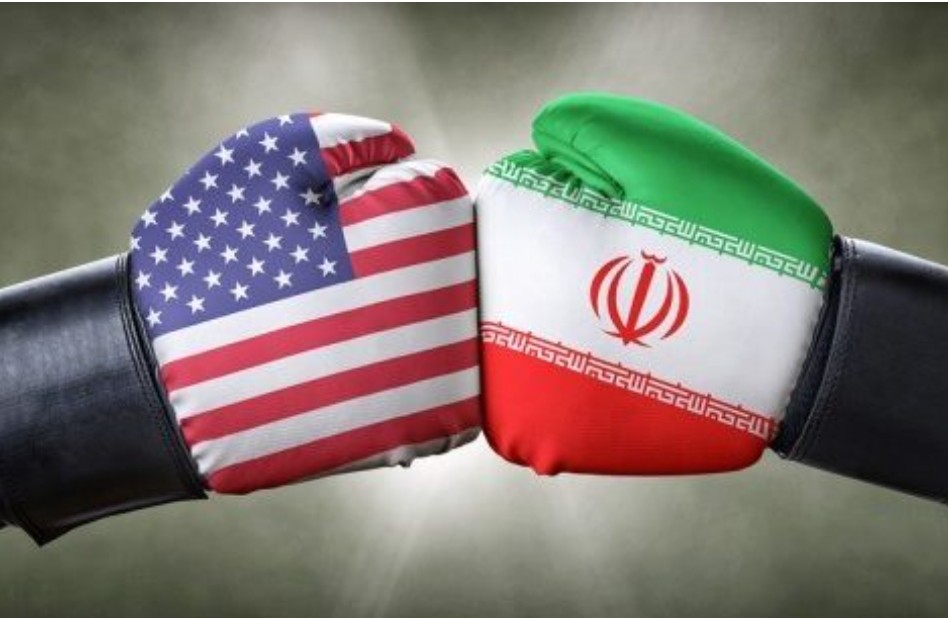
Indirect talks between Washington and Tehran in Geneva recently concluded. Officials described “significant progress” but failed to reach any broad agreement to end the standoff over Iran’s nuclear program. But talks between Washington and Tehran are set to continue.
Iranian Foreign Minister Abbas Araghchi stressed that any deal requires realism and seriousness on the part of the United States, especially on what he says are Iran’s demands.
Military buildup and increased threats..
Along with decades of diplomacy, the United States has deployed its largest military force in the Middle East, including two aircraft carrier groups. This has raised fears of an escalation of military conflict as well as pressure on Tehran.
The US State Department recently asked some Israeli diplomats to leave as a precaution over the Iran conflict. The request is a sign that Washington is taking the situation seriously.
US leaders, including US Vice President JD Vance, have publicly said that even if military action were to occur, there is “no chance” of a protracted Middle East war.
Regional countries such as Turkey are currently reviewing contingency plans for what to do if a conflict breaks out on Iran’s doorstep.
As part of President Trump’s strategy, the US is currently increasing sanctions on Iranian shipping companies and individuals involved in oil and weapons programs.
Meanwhile, the International Atomic Energy Agency (IAEA) has requested urgent inspections of Iran’s nuclear facilities amid unresolved questions about its enriched uranium stockpile.
Diplomatic talks continue in the hope of avoiding military conflict. Meanwhile, both sides are using military force and economic tools to strengthen their bargaining positions.
However, the risk has not yet passed, and a full-scale war is still inevitable. At present, the uncertainty of regional instability remains very high.
✍️ Jagath Bandhu